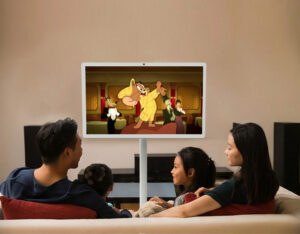
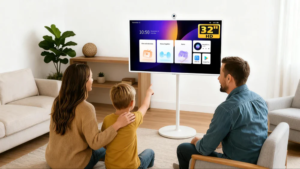
Smart Portable TV Display by Infochip Technology All-in-One AI Home Device
Various versions have evolved over then years, sometimes by accident, sometimes on purpose (injected humour and the like).

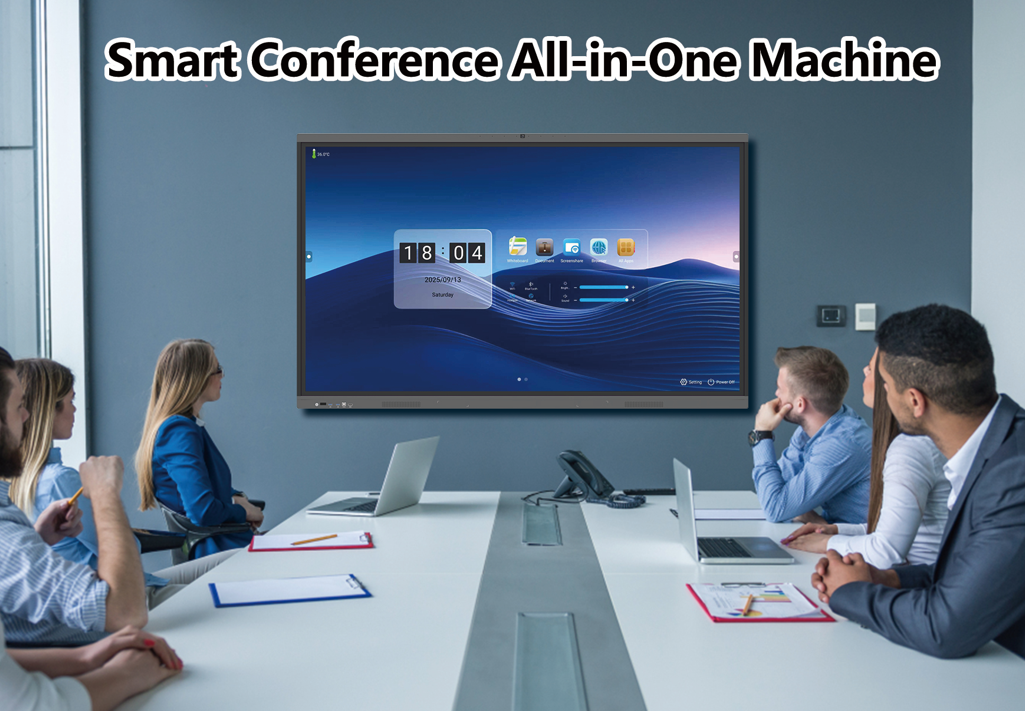
When you’re planning a successful conference, choosing the right tech to really get attendees engaged is super important. One of the coolest tools out there right now is the Conference Interactive Flat Panel. Unlike your average display screens, these new panels offer interactive features that make discussions more lively and collaborative. As meetings shift into more participatory experiences, picking the right Conference Interactive Flat Panel can seriously boost how effective your event turns out to be.
In this article, we’re sharing the top 10 tips to help you pick the best Smart Conference Machine for your needs. Things like screen size, resolution, connectivity, and compatibility might seem a bit overwhelming at first, but don’t worry—by focusing on the key points, you can make a smart choice that really amps up your attendees’ engagement and productivity. Whether you’re hosting a small workshop or a huge conference, the right panel can totally change the way you present info and get everyone involved, opening the door to fresh ideas and better teamwork.
1.Understanding the Importance of Interactive Flat Panels for Conferences
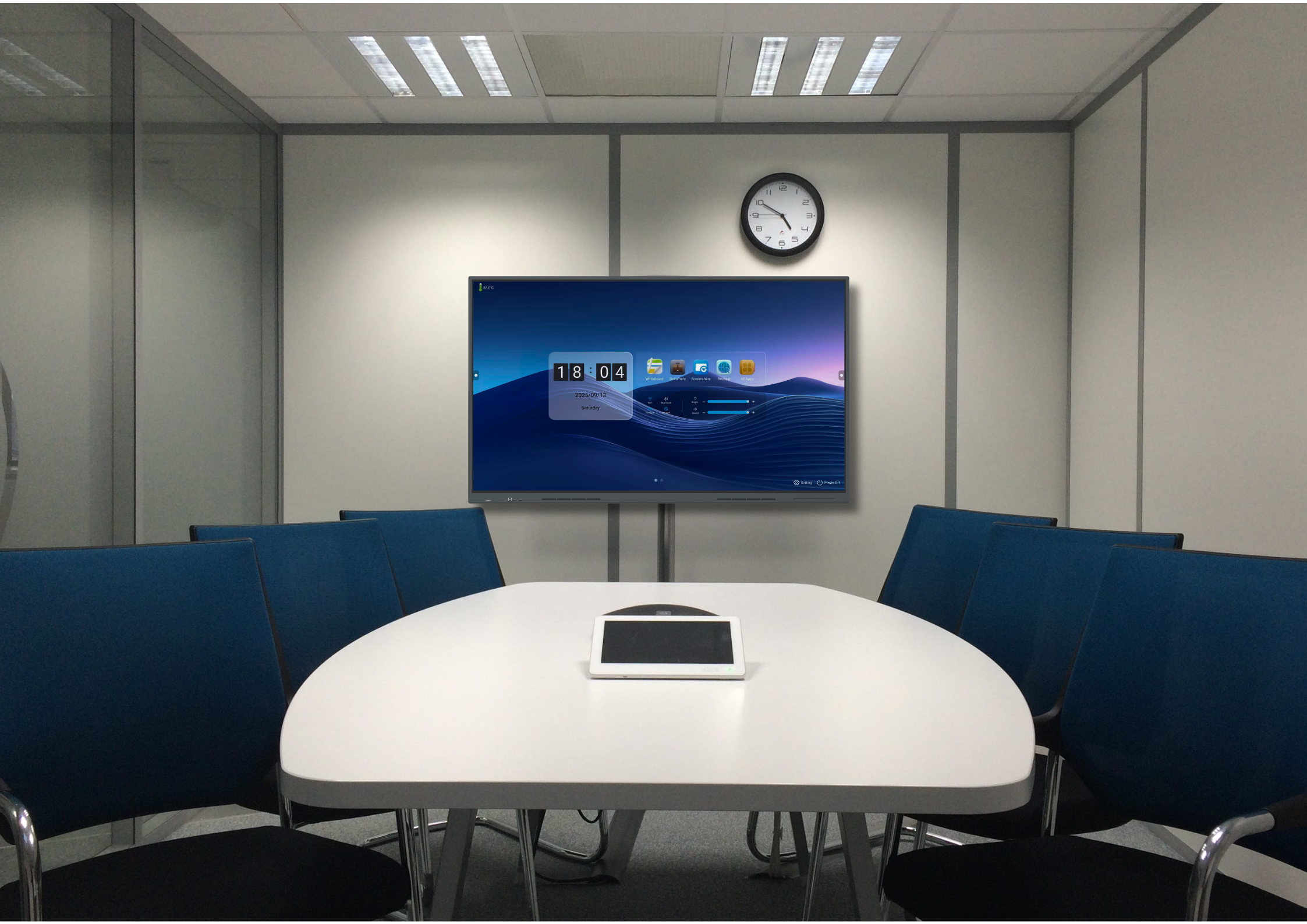
Interactive flat panels have become an essential tool for modern conferences, playing a crucial role in enhancing participant engagement and improving information retention. Their ability to facilitate real-time collaboration allows attendees to actively participate in discussions and brainstorming sessions. Unlike traditional presentation methods, interactive flat panels encourage a hands-on approach, enabling users to interact with content directly, which can lead to more dynamic exchanges of ideas and a more stimulating environment.
Moreover, the integration of interactive flat panels into conference settings supports a variety of multimedia formats, including video conferencing, digital whiteboarding, and document sharing. This versatility not only enriches the presentation experience but also accommodates different learning styles, making it easier for a diverse group of attendees to absorb information. As conferences increasingly prioritize innovation and interactivity, adopting such technology can significantly elevate the overall experience, ensuring that participants remain engaged and connected.
2.Key Features to Consider in Conference Interactive Flat Panels
When selecting the ideal conference interactive whiteboard, several key features should be prioritized to ensure a productive and engaging meeting environment. First and foremost, consider the display quality; resolution plays a crucial role in how clear and vibrant the visuals will be. A panel with 4K resolution not only enhances readability but also makes images and videos more dynamic, which is essential for presentations. Additionally, brightness levels are important, especially in well-lit conference rooms. Opting for a panel with high brightness ensures that content is visible and engaging regardless of the lighting conditions.
Touch responsiveness is another vital feature to examine. A high-quality interactive smart board should offer multi-touch capabilities, allowing multiple users to collaborate seamlessly in real-time. This is particularly useful during brainstorming sessions or when drawing diagrams. Furthermore, ease of connectivity is crucial; look for panels that support a range of connection options, such as HDMI, USB-A,USB-C(Type-C), and wireless connectivity, to accommodate various devices and facilitate smooth transitions between presentations. Lastly, consider the software integration; compatibility with popular collaboration tools can streamline workflows and enhance productivity during meetings, making the selection of an interactive flat panel an important decision for any organization.

3.Evaluating Display Quality: Resolution and Brightness Requirements
When choosing the best conference interactive flat panels, evaluating display quality is paramount. Resolution and brightness are two critical factors that can significantly impact the viewing experience in any meeting room. High resolution ensures that images and text are clear and detailed, making it easier for participants to engage with the content being presented. Better to consider 4K (3840×2160) for larger screens or when displaying intricate graphics, as it provides superior clarity even from a distance.
Brightness is another essential criterion. In settings where lighting is uncontrollable, such as in conference rooms with windows, a display with high brightness (measured in nits) will be necessary to maintain visibility and prevent glare(AG). Generally, a brightness level of 300-500 nits is suitable for indoor use.
When assessing display quality, also consider the panel technology. IPS panels offer better color reproduction and wider viewing angles compared to other types like TN. This can enhance collaboration by ensuring that all participants, regardless of their seating position, can see and engage with the material presented. Selecting the right interactive flat panel not only enhances your presentations but fosters a more collaborative environment.
4.Touch Technology: Capacitive vs. Resistive Screens
When choosing an all-in-one smart board for conferences, understanding touch technology is crucial, particularly the differences between capacitive and resistive screens. Capacitive screens, which rely on the electrical properties of the human body, offer a more sensitive and responsive touch experience. They are capable of multi-touch functionality, allowing several users to interact with the screen simultaneously. This makes capacitive screens ideal for collaborative environments where input from multiple participants is valued. Additionally, the clarity and brightness of capacitive screens usually outperform resistive options, enhancing the visual experience during presentations.
On the other hand, resistive screens operate based on pressure. By requiring physical force to register input, they can be more resistant to environmental factors like dust or moisture, making them suitable for certain settings. However, they typically lack the precision and versatility of capacitive screens, especially when it comes to multi-touch capabilities. While resistive screens can be more budget-friendly, organizations must weigh the trade-offs regarding user experience and long-term adaptability. Understanding these differences helps businesses make informed decisions about which technology best suits their needs.
5.Connectivity Options: Ensuring Compatibility with Your Devices
When selecting an interactive flat panel for your conference room, one of the most critical aspects to consider is the connectivity options. Ensuring that the panel is compatible with your existing devices can save you time and reduce frustration during meetings. Look for panels that offer multiple connectivity options such as HDMI, USB-C, and wireless casting. This versatility allows various devices, from laptops to tablets, to easily connect and share content seamlessly during presentations.
Another important tip is to verify the panel’s compatibility with your operating systems. Some interactive panels may not support specific software or apps you frequently use. It is advisable to choose a panel that is compatible with both Windows and Android systems, as well as mobile devices. Additionally, consider the inclusion of features like touchback capabilities, which enhance collaboration and interaction during discussions, making it easier for teams to engage with the displayed content.
Finally, review the panel’s network capabilities. Options such as Ethernet and Wi-Fi connectivity should be assessed to facilitate updates and remote access. Selecting a panel that integrates well with existing network infrastructure prevents interruptions during meetings and ensures that your technology remains up to date. By prioritizing these connectivity aspects, you can enhance your conference room’s functionality and improve the overall collaborative experience.
6.Assessing Software and App Compatibility for Enhanced Interactivity
When selecting the best interactive flat panels for conferences, one crucial aspect to consider is the compatibility of the software and applications you intend to use. Enhanced interactivity relies heavily on whether your interactive panel can seamlessly integrate with tools your team is familiar with. Evaluate the operating systems and software solutions that your organization employs regularly; ensuring that the flat panel can support these applications will improve usability and streamline collaborative efforts.
One effective tip is to prioritize panels that offer compatibility with diverse platforms and applications such as video conferencing tools, presentation software, and educational programs. This flexibility allows for a more engaging experience during presentations and meetings. Additionally, consider testing the interactive features with your preferred software during demonstrations, ensuring that the touch sensitivity and response times meet your expectations.
Furthermore, look for solutions that include extensive app ecosystems or SDK support, empowering your team to develop custom applications tailored to your specific needs. An interactive panel that supports a variety of applications can enhance creativity and collaboration, leading to more dynamic discussions and productive outcomes during conferences.

7.Budget Considerations: Finding the Right Balance Between Cost and Features
When selecting the best interactive flat panels for conferences, budget considerations inevitably play a crucial role in the decision-making process. It’s essential to strike the right balance between cost and features, which can significantly impact your overall experience during presentations and collaborative sessions. Start by evaluating the fundamental features you require, such as screen size, resolution, touch sensitivity, and connectivity options. Identifying your must-haves versus nice-to-haves can help narrow down your options without overspending.
Once you understand your essential requirements, it’s important to assess the total cost of ownership. This includes not only the initial purchase price but also potential installation, maintenance, and warranty costs. Some panels may seem affordable at first glance, but when you factor in these additional expenses, they may exceed your budget over time. Conducting a thorough cost-benefit analysis will allow you to make more informed decisions, ensuring that the interactive flat panel you choose not only fits within your budget but also meets your functionality needs for successful conferences.