
Smart Portable TV Display by Infochip Technology All-in-One AI Home Device
Various versions have evolved over then years, sometimes by accident, sometimes on purpose (injected humour and the like).


Touch technology has revolutionized the way we interact with digital contents — from smartphones to interactive flat panels and smart portable TVs.
At the heart of every interactive display lies a touch system that translates human gestures into digital commands.
Today, we’ll explore the three main types of touch technologies shaping modern smart displays:
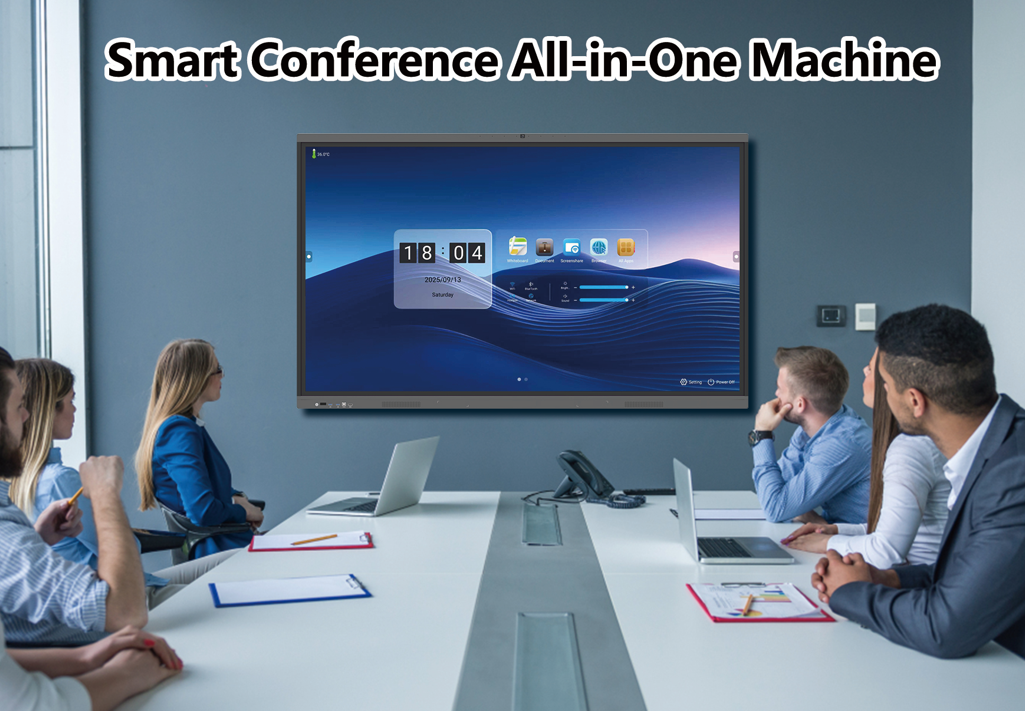
Infrared touch screens use a grid of infrared light beams that span across the display surface. When a finger or stylus interrupts these beams, the system calculates the X and Y coordinates of the touch point.
Durability: Works through any non-metallic surface — even glass up to 10mm thick.
Multi-touch Support: Can detect multiple touch points simultaneously.
No Pressure Required: Responds to any object (finger, pen, glove).
Cost-effective: Ideal for large-size displays such as intelligent flat panels and smart classrooms.
GFF’s interactive education displays often use infrared technology for reliable, high-precision performance in classroom and conference environments.
Capacitive touch screens rely on electrical charge changes. When your finger touches the surface, it alters the local electrostatic field, allowing the system to pinpoint the exact position.
Thin and Sleek Design: No need for large bezels.
Strong Light Transmission: Delivers sharper, more vibrant displays.
Multi-touch Recognition: Excellent for complex gestures and precision drawing.
This technology is commonly used in smartphones, tablets, portable smart TVs and high-end smart conference displays, where smooth touch experience and writing accuracy are key.
Infochip integrates capacitive touch in its advanced Smart Blackboard and Smart Conference machines, providing ultra-responsive writing and natural pen-on-paper feel.
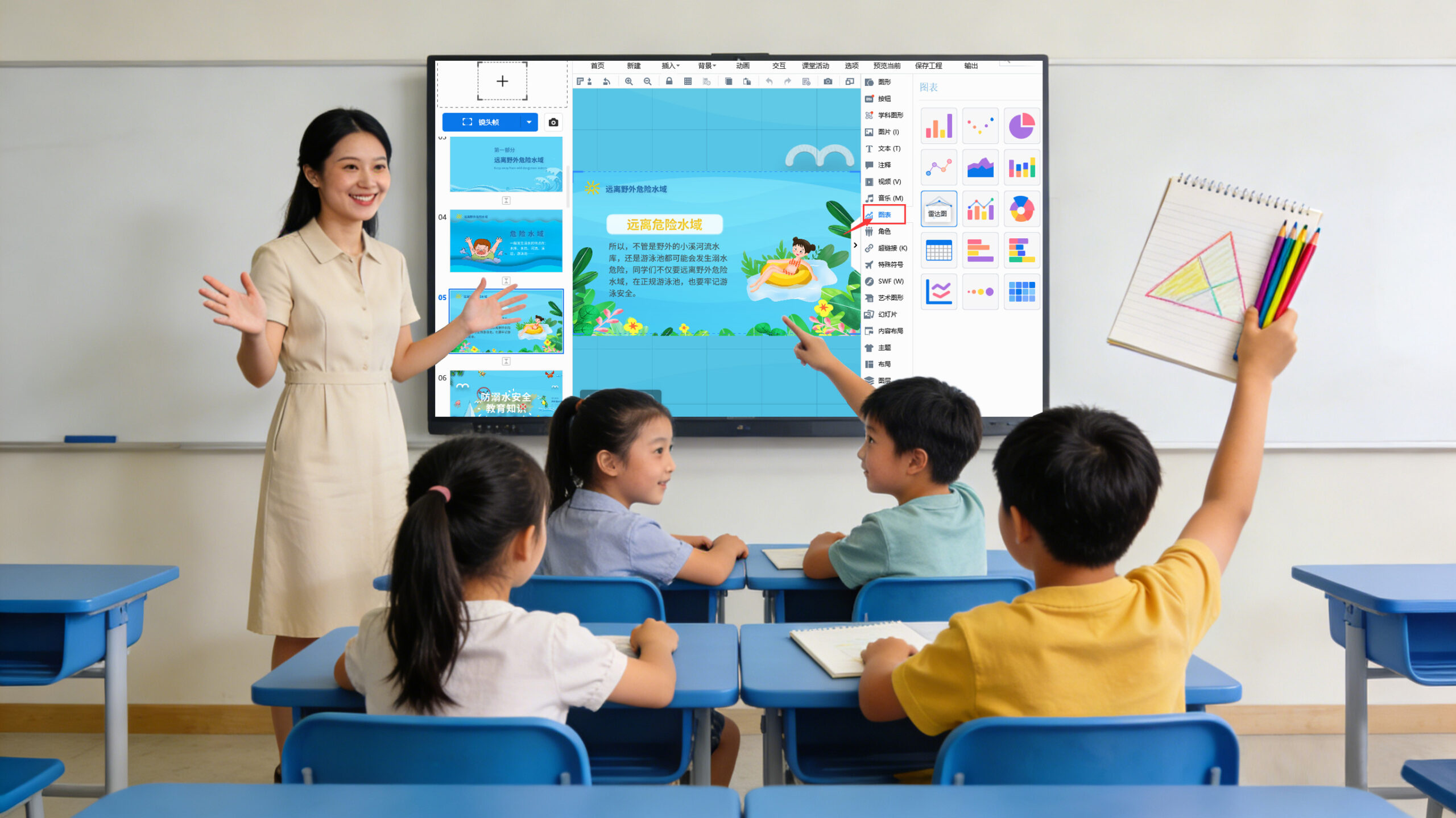
Touch innovation doesn’t stop with infrared or capacitive. New technologies have emerged to make interaction even more natural and intelligent.
InGlass uses invisible light waves within the glass to detect touch points.
Optical bonding removes the air gap between glass and display, improving visual clarity and touch response.
AI-powered algorithms are being used to:
Infochip GFF is integrating AI touch optimization into its future smart boards — ensuring faster, more accurate recognition and seamless interaction for both education and enterprise environments.

From infrared grids to capacitive sensors and now AI-enhanced systems, touch technology has evolved into an intelligent interface bridging humans and digital environments.
GFF continues to lead this transformation by combining the stability of infrared, the sensitivity of capacitive, and the intelligence of AI touch systems, creating smarter, more immersive interactive displays for classrooms, meeting rooms,boardrooms, and beyond.



One comment
Pingback:
hello world